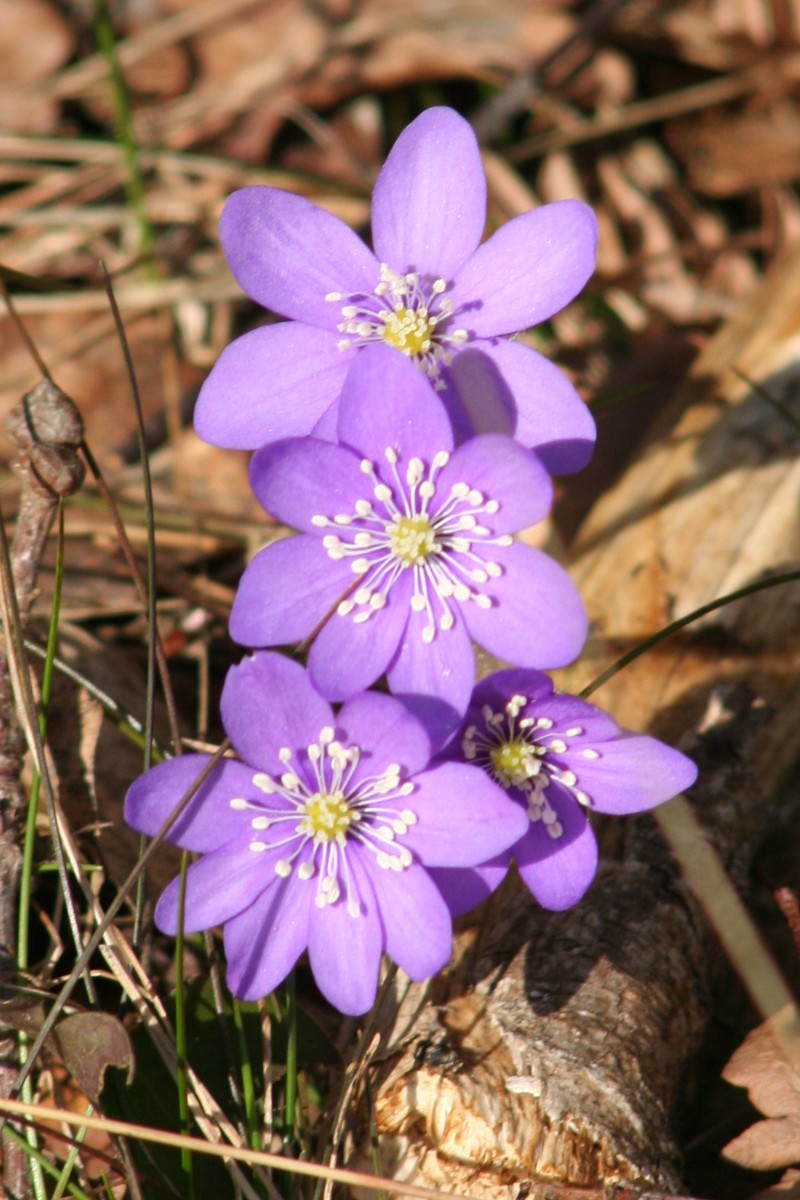
Photo: Wikimedia Commons, CC BY-SA 3.0 · source

Pruning guide · Perennial
Common hepatica: when and how to prune
Hepatica nobilis
Common hepatica is best pruned in February.
| Pruning months | February |
|---|---|
| Flowering | February–April |
| Good for bees, butterflies and birds | Yes, for bees |
| Native to Belgium | No, planted |
| Poisonous to people and pets | Yes, take care with children and pets |
Common hepatica: when to prune it?
No pruning is needed. In February, just before or as flowering starts, you can cut away old and damaged leaves.
What else to prune in those months? February
Common hepatica: how to prune it?
- Cut old, brown or damaged leaves off at the base; healthy leaves can stay.
- Take care not to damage the flower buds in the heart of the plant.
- Leave spent flowers in place: that way it can set seed.
How much to cut, and how often?
- One pruning period a year: February.
What does it mean for wildlife?
- Common hepatica flowers in February–April, when it attracts bees.
- If pruning falls during flowering, wait until it is over or leave part of the plant to flower, so bees and butterflies still benefit.
- If you only cut back in February, the old stems stand through the winter: insects overwinter in them and birds eat the seeds.
Caution: Wear gloves when you work on the plant: the fresh sap can irritate the skin. Common hepatica is poisonous: wear gloves and keep clippings away from children, pets and livestock.
Nearby: related pruning guides
Plant profile: Common hepatica · Pruning calendar and basic rules
This guide is compiled from the Bladwijzer plant profile and pruning calendar.