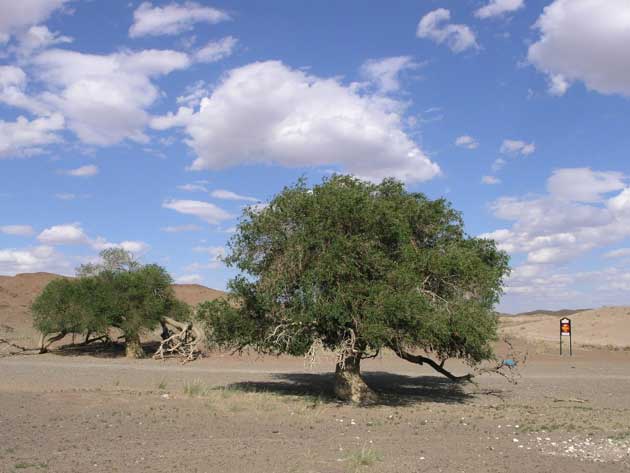
Photo: Tiarescott, CC BY-SA 3.0 · source

Pruning guide · Tree
Siberian elm: when and how to prune
Ulmus pumila
Siberian elm is best pruned in December–February.
| Pruning months | December–February |
|---|---|
| Nesting season (15 March–15 August) | Outside it |
| Flowering | March–April |
| Native to Belgium | No, planted |
Siberian elm: when to prune it?
In winter, from December to February. The tree is then dormant and the elm bark beetles that spread Dutch elm disease are not flying.
What else to prune in those months? January · February · December
Siberian elm: how to prune it?
- Young tree: choose one central leader and remove branches with a narrow, sharp angle in good time, as they tear out later.
- Remove dead, broken and crossing branches just outside the branch collar.
- As a hedge or windbreak: cut back every year to the height you want; it regrows well.
- Do not leave piles of elm wood with bark on: elm bark beetles can breed in them.
How much to cut, and how often?
- One pruning period a year: December–February.
- Never remove more than about a quarter of the crown at once. Better a little every year.
What does it mean for wildlife?
- The pruning months fall outside the nesting season (15 March–15 August), so you won’t disturb nesting birds.
- Prunings can go on a dead hedge or brash pile in a corner of the garden: shelter for hedgehogs, wrens and insects.
Common mistakes
- Leaving a stub or sawing flush with the trunk: cut just outside the branch collar.
Caution: Do not prune in spring or summer: fresh pruning wounds attract elm bark beetles, which can carry Dutch elm disease.
Nearby: related pruning guides
Plant profile: Siberian elm · Pruning calendar and basic rules
This guide is compiled from the Bladwijzer plant profile and pruning calendar.