Identify by feature
Tree or shrub with long, narrow leaves: which one is it?
In Belgium and the Netherlands, a tree or shrub with long, narrow leaves is usually a willow, such as white willow, crack willow or osier; with coarse, bristle-tipped teeth it is a sweet chestnut, and a low shrub with narrow leaves and black berries is often wild privet.
17 species with this feature
-
White willow Salix alba
Broadleaf tree
Alternate, lance-shaped, 5–10 cm, finely toothed; both sides (especially the underside) silky and silvery-hairy.
Native
-
Crack willow Salix × fragilis
Broadleaf tree
Alternate, 7–15 cm, lance-shaped with a long pointed tip, coarsely and somewhat irregularly toothed; glossy green above, blue-green and (almost) hairless below.
Native
-
Osier Salix viminalis
Shrub
Alternate, 10–20 cm long and 1–2 cm wide, untoothed with a slightly rolled-under edge; underside covered in silky, silver-grey hairs.
Native
-
Weeping willow Salix × sepulcralis
Broadleaf tree
Alternate, narrowly lance-shaped, 8–12 cm, finely toothed.
-
Purple willow Salix purpurea
Shrub
Alternate to almost opposite, 4–10 cm, narrowly oblanceolate (widest above the middle), finely toothed only in the upper part; hairless, underside bluish-grey.
Native
-
Almond willow Salix triandra
Shrub
Alternate, 5–10 cm, lanceolate, evenly toothed and hairless; upper side glossy dark green, underside dull green or bluish-grey. Large, ear-shaped stipules that persist.
Native
-
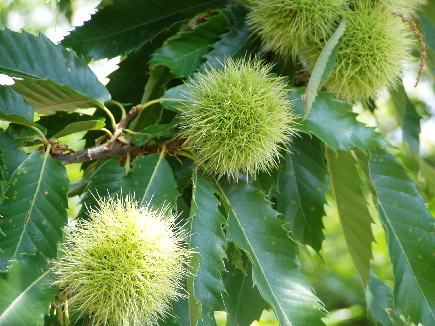
Sweet chestnut Castanea sativa
Fruit tree
Alternate, lance-shaped, 10–25 cm, with parallel side veins each ending in a bristle-tipped tooth.
-
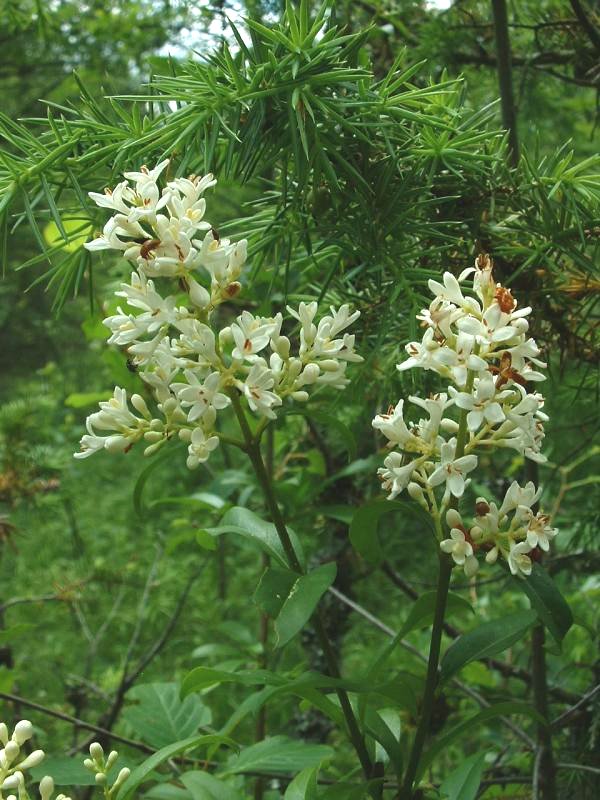
Wild privet Ligustrum vulgare
Shrub
Opposite, lance-shaped, 3–6 cm, untoothed; drops during the course of the winter.
NativePoisonous
-
Sea buckthorn Hippophae rhamnoides
Shrub
Alternate, 3–7 cm, linear; grey-green above, silvery-scaly below.
Native
-
Peach Prunus persica
Fruit tree
Alternate, 8–15 cm, lance-shaped, finely toothed, glossy green and often slightly folded along the midrib.
-
Almond Prunus dulcis
Fruit tree
Alternate, lanceolate, 7–12 cm, finely toothed and glossy, with a fairly long leaf stalk (2–3 cm).
-
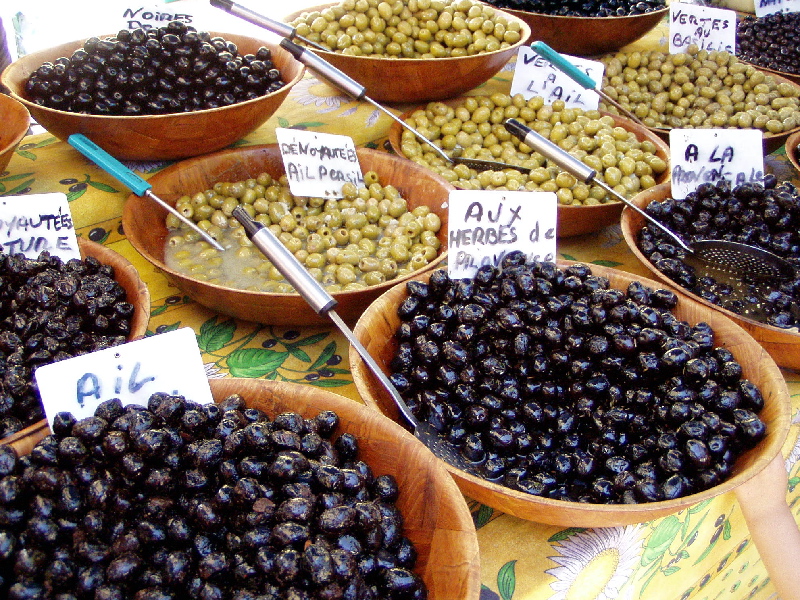
Olive tree Olea europaea
Fruit tree
Opposite, 4–8 cm, narrowly lance-shaped, untoothed and leathery; grey-green above, silvery below from tiny scales.
-
Medlar Mespilus germanica
Fruit tree
Alternate, 8–15 cm, lance-shaped, untoothed or very finely toothed near the tip, dull green and softly hairy; yellow to reddish-brown autumn colour.
Native
-
Butterfly bush Buddleja davidii
Shrub
Opposite, lance-shaped, 10–25 cm, finely toothed; white-felted underneath.
-
Bay laurel Laurus nobilis
Shrub
Alternate, 5–10 cm, narrowly oval, untoothed with a wavy edge, dark green and leathery; gives off a strong, herby scent as soon as it is crushed.
-
Rosemary Salvia rosmarinus
Dwarf shrub
Opposite, 2–4 cm, narrow, needle-like and leathery; dark green above, white-felted below, with a rolled-under edge.
-
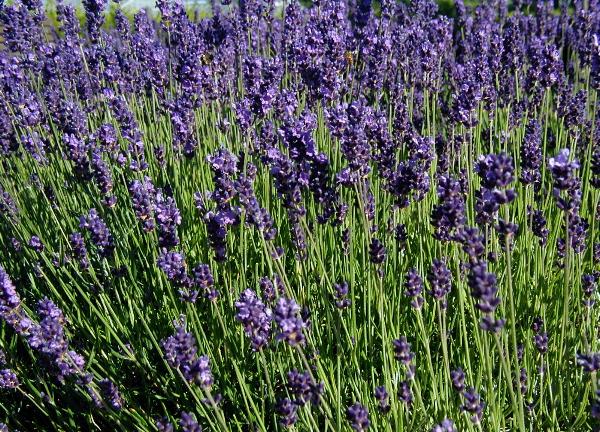
English lavender Lavandula angustifolia
Dwarf shrub
Opposite, narrow and linear, 2–5 cm, grey-hairy and strongly aromatic.






Tip: Willows carry catkins in spring and like to grow near water. If the leaf is evergreen, leathery and silvery grey beneath, it is more likely an olive tree; if it smells spicy, a bay laurel or rosemary.