Identify by feature
Tree with opposite leaves: which one is it?
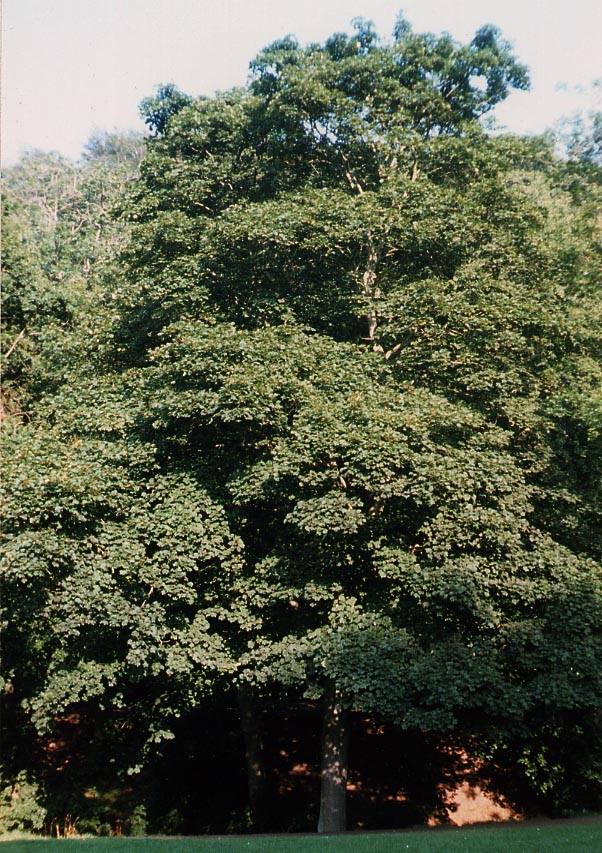
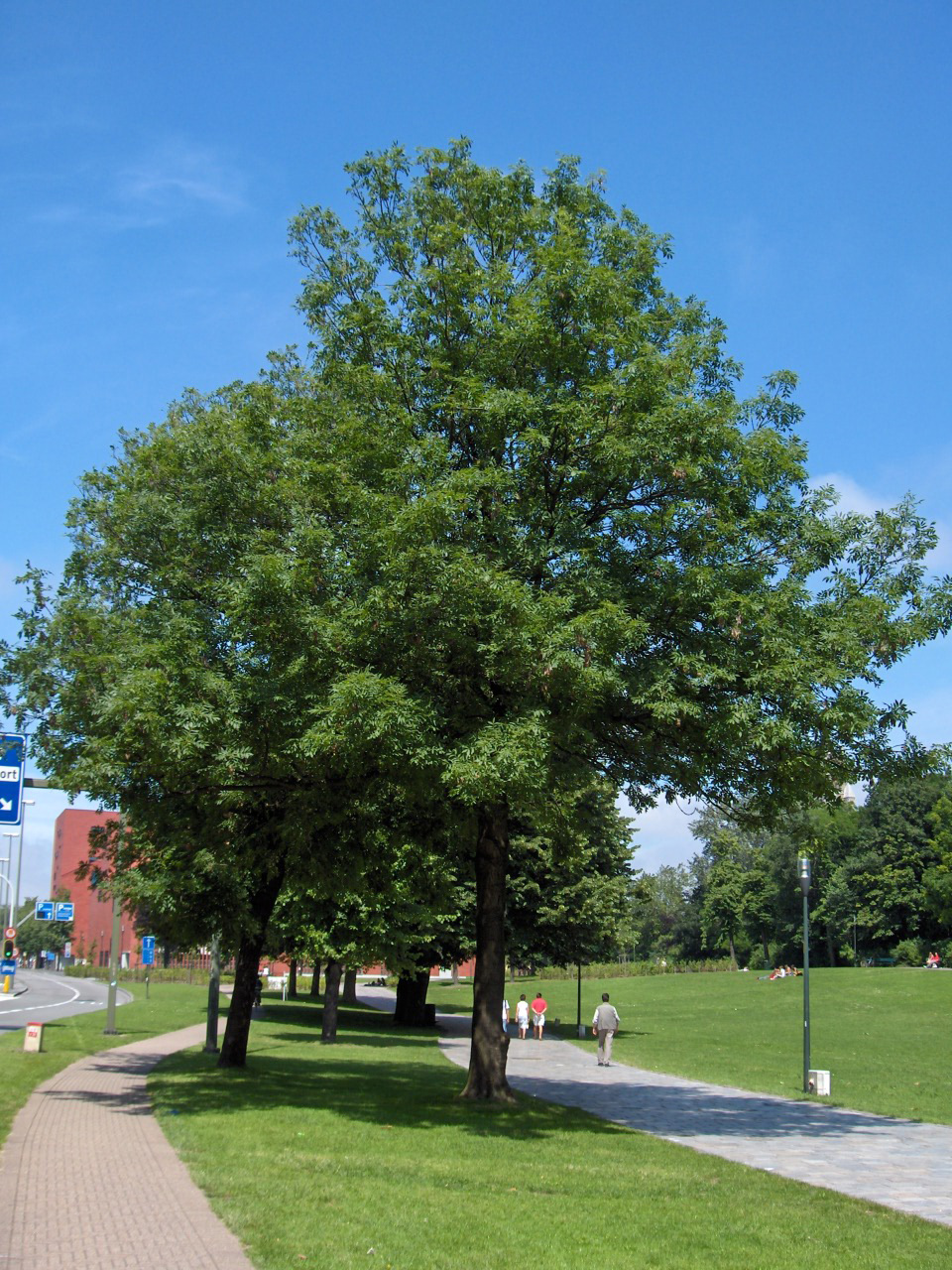
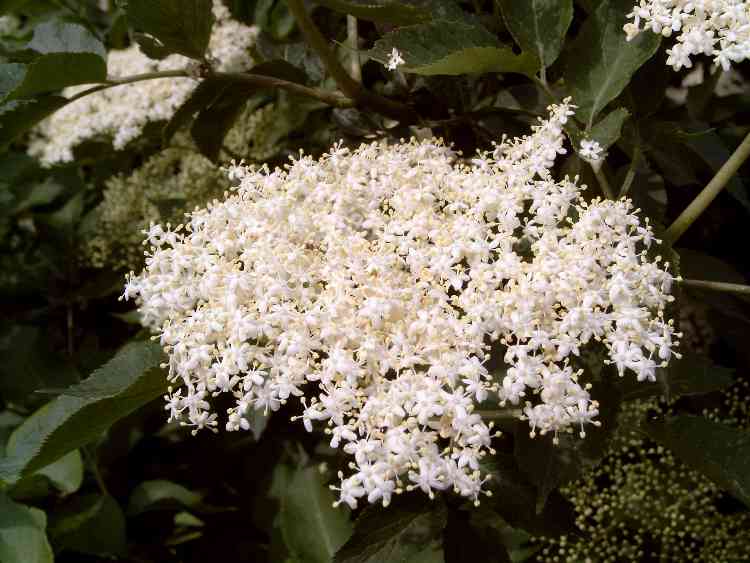
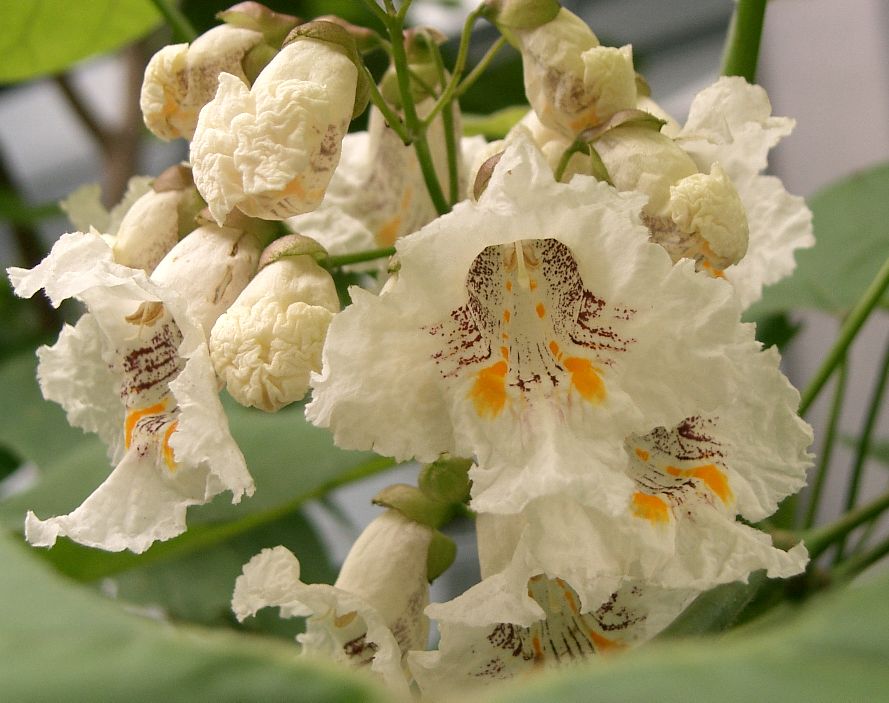
If the leaves sit in opposite pairs on the twig, a tree in our region is almost always a maple (sycamore, Norway maple, field maple), an ash, a horse chestnut or an elder.
16 species with this feature
-
Sycamore Acer pseudoplatanus
Broadleaf tree
Opposite, 10–20 cm, with 5 coarsely and irregularly toothed lobes; underside grey-green. Leaf stalk often red, without milky sap.
-
Norway maple Acer platanoides
Broadleaf tree
Opposite, 10–18 cm, with 5–7 lobes ending in long, pointed teeth; glossy. Snap the leaf stalk and white milky sap comes out.
Native
-
Field maple Acer campestre
Broadleaf tree
Opposite, small (5–10 cm), with 3–5 rounded lobes without pointed teeth. The leaf stalk contains milky sap.
Native
-
Ash Fraxinus excelsior
Broadleaf tree
Opposite, pinnate with 9–13 oblong, toothed leaflets. The leaves often fall while still green in autumn.
Native
-
Horse chestnut Aesculus hippocastanum
Broadleaf tree
Opposite, palmately compound with 5–7 obovate, toothed leaflets 10–25 cm long.
Poisonous
-
Elder Sambucus nigra
Shrub
Opposite, pinnate with 5–7 toothed, pointed leaflets. When crushed the leaf smells unpleasant.
Native
-
Silver maple Acer saccharinum
Broadleaf tree
Opposite, 10–15 cm, with 5 very deeply cut, finely toothed lobes; underside silvery white. No milky sap.
-
Japanese maple Acer palmatum
Shrub
Opposite, 5–10 cm, with 5–9 pointed, toothed lobes; green or red, superb autumn colour.
-
Box elder Acer negundo
Broadleaf tree
Opposite, pinnate with 3–5 (sometimes 7) coarsely toothed or slightly lobed leaflets.
-
Indian bean tree Catalpa bignonioides
Broadleaf tree
Opposite or in whorls of 3, broadly heart-shaped and untoothed, 15–30 cm. Smells unpleasant when crushed. Comes into leaf late (June).
-
Foxglove tree Paulownia tomentosa
Broadleaf tree
Opposite, 15–30 cm (up to 60 cm on young shoots), broadly heart-shaped, untoothed or with a few angular lobes, softly hairy on both sides.
-
Katsura tree Cercidiphyllum japonicum
Broadleaf tree
Opposite, 5–10 cm, round to heart-shaped with a scalloped edge and palmate veins; young leaves reddish.
-
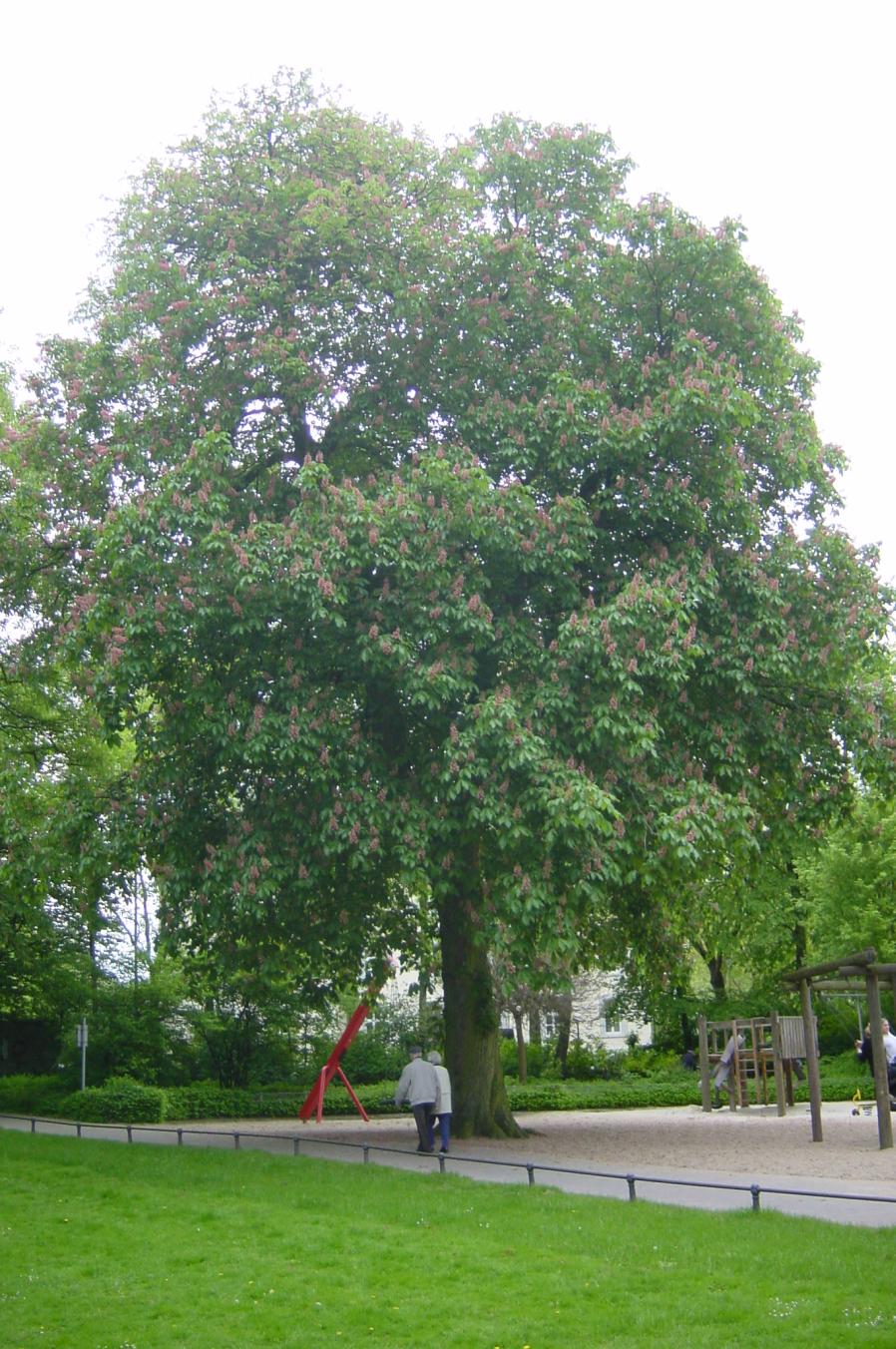
Red horse chestnut Aesculus × carnea
Broadleaf tree
Opposite, palmately compound with 5 (sometimes 7) dark green, slightly puckered leaflets 8–15 cm long; smaller and darker than in horse chestnut.
Poisonous
-
Red maple Acer rubrum
Broadleaf tree
Opposite, 6–10 cm, with 3 (sometimes 5) shallow, irregularly toothed lobes; green above, blue-white below. Leaf stalk often red, without milky sap.
-
Manna ash Fraxinus ornus
Broadleaf tree
Opposite, pinnate, with 5–9 stalked, oval, toothed leaflets 5–10 cm long.
-
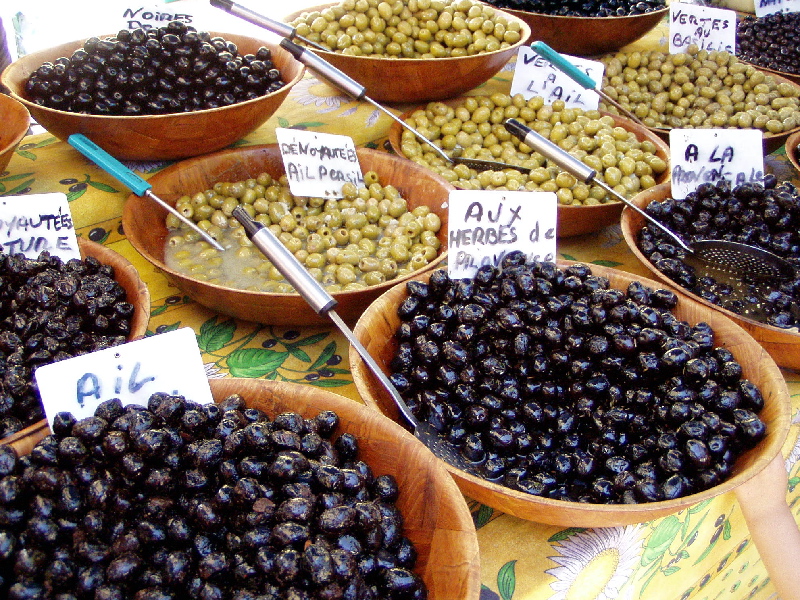
Olive tree Olea europaea
Fruit tree
Opposite, 4–8 cm, narrowly lance-shaped, untoothed and leathery; grey-green above, silvery below from tiny scales.









Tip: Opposite leaves are one of the strongest clues, even in winter: look at the buds. Palmate leaves then mean a maple, pinnate leaves an ash or elder, and a hand of leaflets the horse chestnut.