Identify by feature
Tree or shrub with red autumn colour: which one is it?
A tree that turns bright red in autumn is, in avenues and parks, usually a red oak, sweetgum, pin oak or red maple; among shrubs and climbers it is often Virginia creeper, guelder rose or spindle.
18 species with this feature
-
Red oak Quercus rubra
Broadleaf tree
Alternate, 12–22 cm, with 7–11 pointed lobes ending in fine bristle tips. Autumn colour red to red-brown.
-
Sweetgum Liquidambar styraciflua
Broadleaf tree
Alternate, star-shaped with 5–7 pointed, finely toothed lobes, glossy. Smells resinous when crushed.
-
Pin oak Quercus palustris
Broadleaf tree
Alternate, 8–15 cm, glossy, cut almost to the midrib into 5–7 pointed lobes with bristle tips; tufts of brown hairs in the vein axils underneath. Scarlet autumn colour; the dead leaves often hang on for a long time.
-
Red maple Acer rubrum
Broadleaf tree
Opposite, 6–10 cm, with 3 (sometimes 5) shallow, irregularly toothed lobes; green above, blue-white below. Leaf stalk often red, without milky sap.
-
Virginia creeper Parthenocissus
Climber
Alternate; in true Virginia creeper palmately compound with 5 leaflets, in Boston ivy three-lobed and glossy.
-
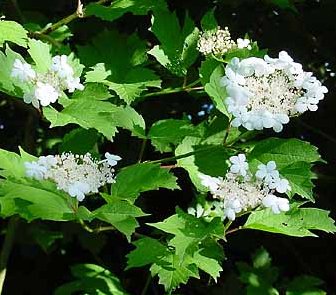
Guelder rose Viburnum opulus
Shrub
Opposite, 3–5-lobed, coarsely toothed, 5–10 cm; small glands on the leaf stalk. Red autumn colour.
Native
-
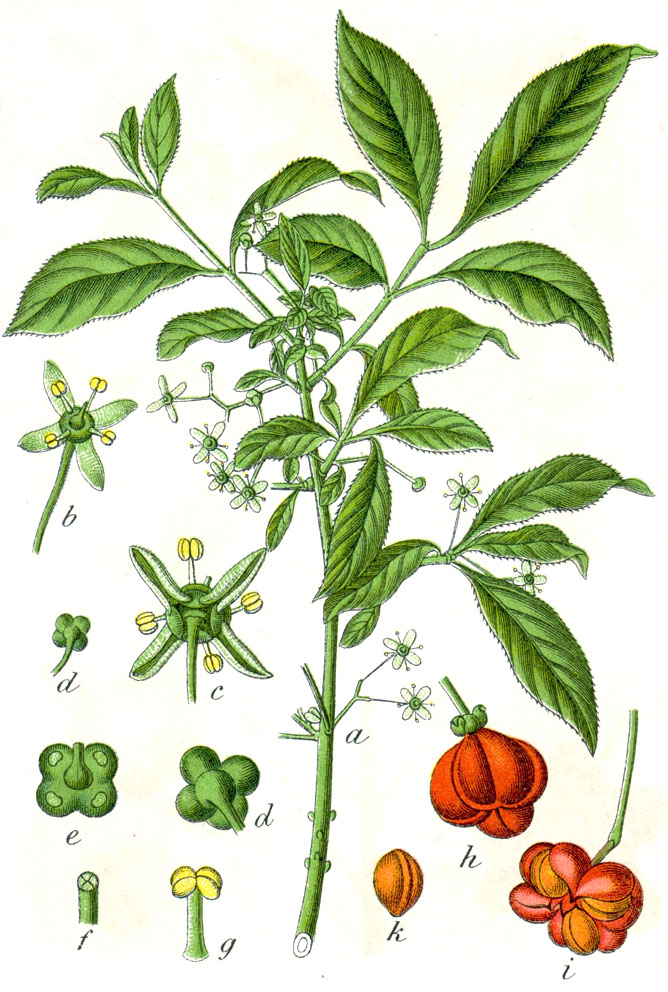
Spindle Euonymus europaeus
Shrub
Opposite, oval to lance-shaped, 5–8 cm, finely toothed; red autumn colour.
NativePoisonous
-
Winged spindle Euonymus alatus
Shrub
Opposite, 3–7 cm, elliptic, finely toothed; brilliant crimson to fiery red in autumn.
Poisonous
-
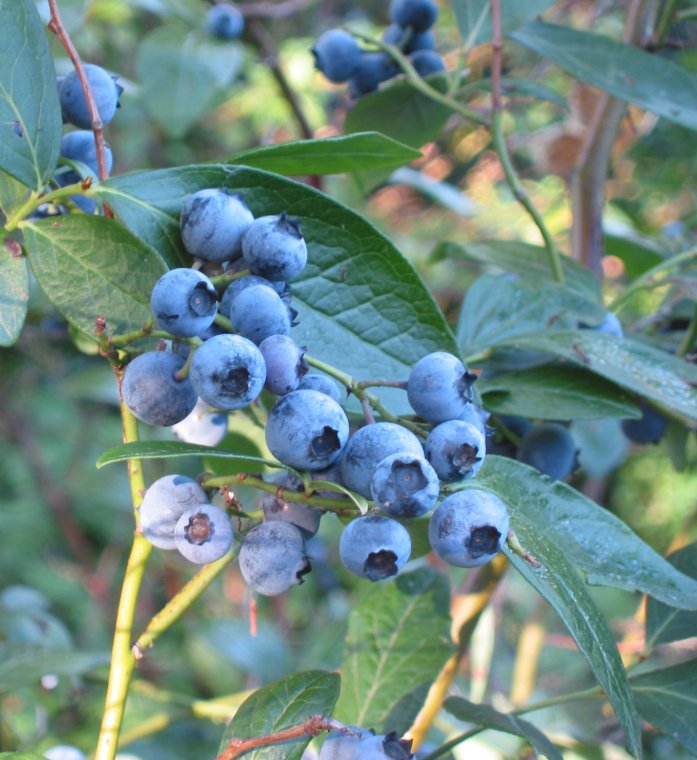
Highbush blueberry Vaccinium corymbosum
Shrub
Alternate, oval, 3–8 cm, untoothed or finely toothed; glorious red autumn colour.
-
Persian ironwood Parrotia persica
Broadleaf tree
Alternate, 6–12 cm, obovate, untoothed in the lower half and wavy, coarsely toothed in the upper half; glossy. Autumn colours of yellow, orange, red and purple all mixed together.
-
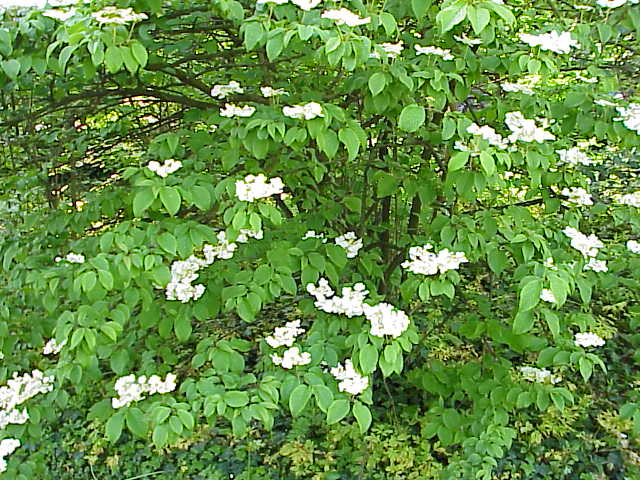
Japanese snowball Viburnum plicatum
Shrub
Opposite, 5–10 cm, oval, toothed, with deeply impressed, parallel side veins; wine-red autumn colour.
-
Wild service tree Sorbus torminalis
Broadleaf tree
Alternate, 6–12 cm, with 3–5 pairs of sharp, toothed lobes; the lowest pair is the most deeply cut and spreads outwards. Glossy dark green; autumn colour red to purple.
Native
-
White dogwood Cornus alba
Shrub
Opposite, 5–10 cm, oval with a pointed tip, untoothed, with curved veins; underside bluish-grey. Often variegated. Autumn colour red to purple.
-
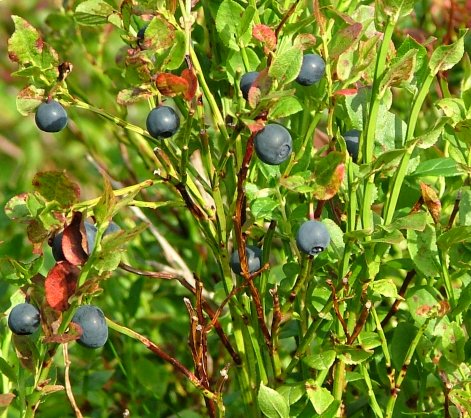
Bilberry Vaccinium myrtillus
Dwarf shrub
Alternate, ovate, 1–3 cm, finely toothed and bright pale green; shed in autumn after turning red.
Native
-
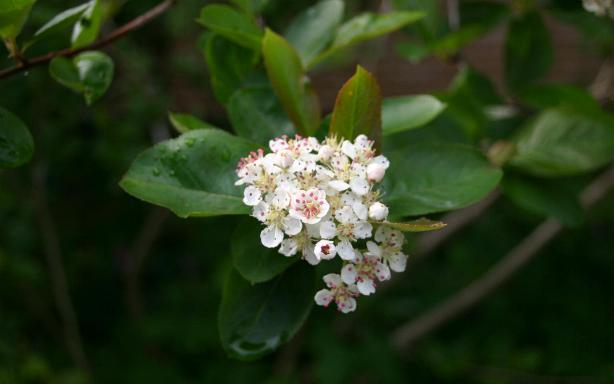
Black chokeberry Aronia melanocarpa
Shrub
Alternate, obovate, 4–7 cm, finely toothed, glossy dark green, with dark glands along the midrib; brilliant red in autumn.
-
Nashi pear Pyrus pyrifolia
Fruit tree
Alternate, ovate, 7–12 cm, long-pointed, sharply toothed with bristle-tipped teeth, glossy; fine red autumn colour.
-
Japanese persimmon Diospyros kaki
Fruit tree
Alternate, 7–15 cm, elliptic to ovate, untoothed, leathery and glossy; yellow, orange to red in autumn.
-
Witch hazel Hamamelis
Shrub
Alternate, 8–15 cm, broadly oval with a lopsided base and a wavy, toothed margin; glorious yellow to orange-red autumn colour.








Tip: Autumn colour depends on the weather and the spot: it is at its best in the sun and after cold nights. Look at the shape of the leaf as well, which does not change.